
Featured Highlights
- Identify every factory process that can release air pollutants.
- Match the control device with the specific pollutant.
- Check airflow, temperature, pressure, and dust conditions.
- Plan ducts and equipment before installing production machinery.
- Select blowers based on complete system pressure requirements.
- Leave enough space for regular inspection and maintenance.
- Use real process data before selecting pollution control equipment.
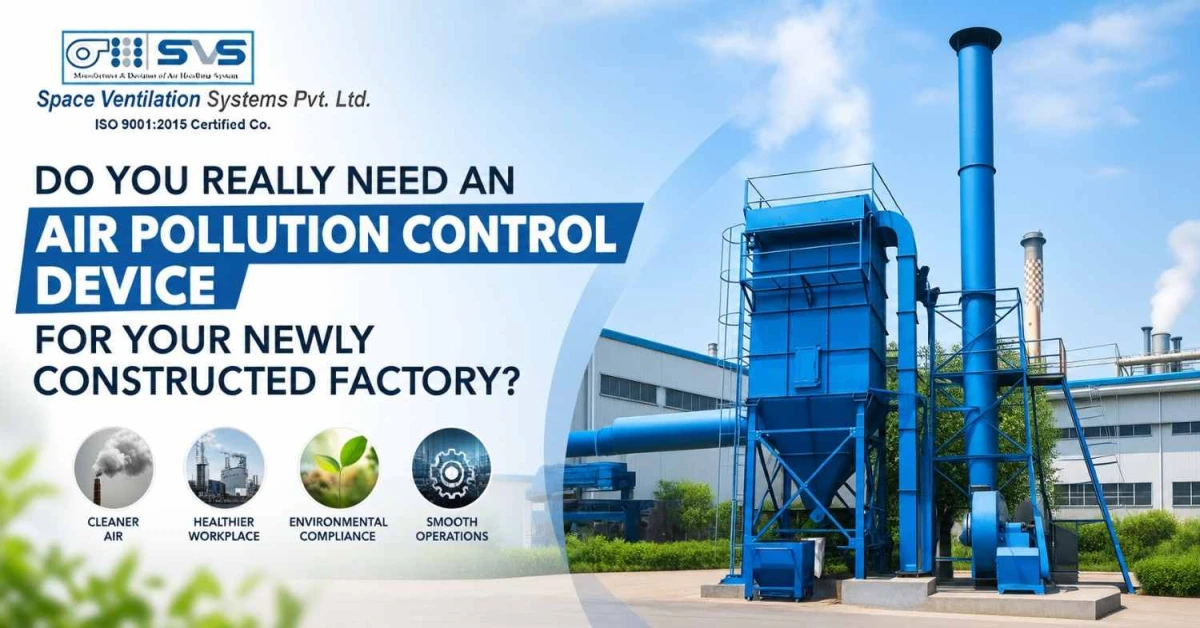
A new factory may look clean today, but its production process can still release dust, smoke, fumes, gases, or fine particles. An air pollution control device can help control these emissions before they affect workers, nearby areas, or the surrounding environment.
The right system from APCD device manufacturers depend on your manufacturing process, raw materials, fuel, machinery, and emission type.
Why Does a New Factory Need an Air Pollution Control Device?
A new factory may need an air pollution control device if its operations release harmful or unwanted air emissions. Construction of a new building does not decide the need. The production process does.
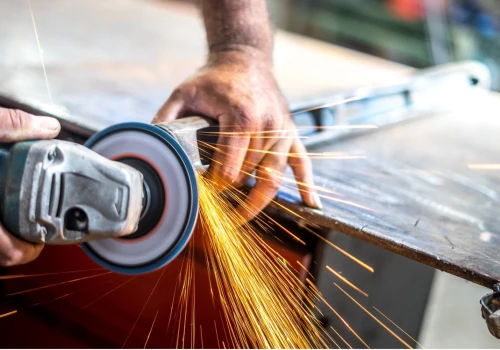
Factories can create air emissions during several activities. Boilers can produce flue gases. Crushers and grinders can release dust. Chemical processes can create fumes or gases. Material handling can also release fine particles into the workplace.
Your factory may need this system for reasons such as:
- Controlling dust from production machinery
- Removing smoke from combustion processes
- Collecting fine particles from industrial operations
- Controlling fumes from chemical processes
- Reducing unwanted gases from exhaust streams
- Keeping work areas cleaner
- Meeting applicable pollution control requirements
How Do You Know If Your Factory Needs One?
The production process gives the first clear answer. You should check every process that can release pollutants into the air.
Start by listing your raw materials, machines, fuels, chemicals, and production steps. Then identify points where dust, smoke, fumes, or gases can enter the air.
You should check these factors before selecting an APCD:
Identify the pollutant.
Find out if your process produces dust, smoke, fumes, vapours, or gases.
Measure the emission source.
Check the quantity, temperature, pressure, and flow of the exhaust stream.
Study the production process.
Look at the machines and stages that create the emission.
Check applicable requirements.
Review the pollution control conditions that apply to your factory and location.
Select suitable equipment.
Choose a system based on the actual emission conditions.
Which APCD Does a Factory Need?
Different pollutants need different control systems. One device cannot handle every type of industrial emission.
Pulse Jet Dust Collector
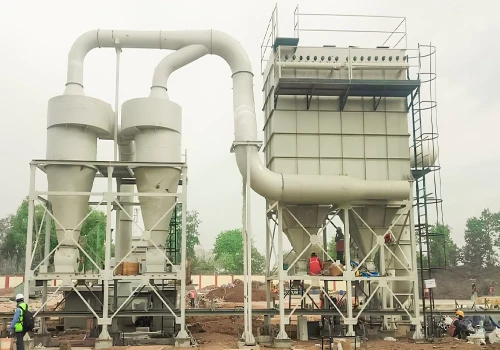
It works well for processes that produce dry dust. It uses filter bags or cartridges to capture dust from an air stream.
Cyclone Dust Collector
It uses centrifugal force to separate larger dust particles from an air stream.
Scrubber
It uses a liquid to remove certain particles or gases from an exhaust stream.
Wet scrubbers can suit processes that produce specific gases, fumes, or dust. The liquid choice depends on the pollutant and process conditions.
Industrial Blower
It moves air or gas through the pollution control system.
Rotary Airlock Valve
It often works below dust collectors and hoppers.
What Happens If You Install the Wrong System?
The wrong system can create operating problems and poor pollution control.
A dust collector with insufficient airflow may fail to capture dust at the source. An oversized system can increase power use and equipment cost.
Pay attention to these points:
- Type of pollutant
- Particle size
- Dust concentration
- Gas temperature
- Gas flow rate
- Moisture level
- Chemical properties
- Required filtration level
- Available installation space
- Maintenance requirements
Should You Plan Pollution Control Before Factory Production Starts?
Yes. You should it during factory design instead of adding equipment after production begins.
Early planning gives you more control over equipment placement, duct routes, electrical requirements, structural support, and maintenance access.
A practical planning process looks like this:
Map every emission source.
Mark machines, processes, chimneys, vents, and other exhaust points.
Define the pollutant.
Identify the dust, gas, smoke, or fumes from each source.
Collect process data.
Record airflow, temperature, pressure, concentration, and operating hours.
Select the control method.
Match the pollutant with a suitable collection or treatment system.
Plan the duct network.
Keep duct routes practical and provide access for inspection.
Plan maintenance areas.
Leave enough space for filter changes, cleaning, inspection, and repairs.
Review the complete setup.
Check the collector, blower, ducts, discharge system, controls, and exhaust arrangement as one system.
What Should You Ask Before Buying an Air Pollution Control Device?
Do not select equipment only by its size or price. Ask questions about the complete operating requirement.
First, ask the equipment supplier to explain how the proposed system matches your pollutant.
Ask these practical questions:
- What pollutant will the system control?
- What airflow does the system require?
- What temperature can the equipment handle?
- What filter material suits the application?
- How often will maintenance be required?
- How will collected dust leave the system?
- What blower capacity does the setup need?
- What happens during filter cleaning?
- How much space does the system need?
- What operating data does the supplier need?
What Is the Main Reason to Install Pollution Control Early?
The main reason is simple. It should form part of the factory process, not become an afterthought.
Your production equipment creates the emission. The control system captures or treats it. The ducting carries the air.
This device can also support cleaner factory operations. It can reduce dust movement inside work areas and control emissions from specific process points.
For a new factory, the right approach is to study the production process first. Then select the pollution control system based on real process data and applicable requirements.
Summing Up
A new factory may need an air pollution control device if its process releases dust, smoke, fumes, or gases. The correct system depends on the pollutant and operating conditions. Dust collectors, cyclones, industrial scrubber system, blowers, and rotary airlock valves serve different roles. Plan pollution control early and match every component to the process.
FAQS
Does every new factory need an air pollution control device?
No, not every factory needs the same type of device. It depends on your production process and the pollutants it releases. Dust, smoke, fumes, and gases may need different control systems.
How do I know which pollution control system my factory needs?
First, identify the type of emission your factory produces. Then check its quantity, temperature, airflow, and particle size. A dust producing process may need a dust collector.
Can I install the pollution control device after starting production?
It is better to plan the system before production starts. Early planning gives you space for ducts, blowers, collectors, electrical work, and maintenance access.
Is an air pollution control device enough to control all factory emissions?
No. Different emissions need different control methods. A pulse jet dust collector can collect dry dust. A cyclone can separate larger particles. A scrubber can treat certain gases, fumes, or particles.
What information should I give a supplier before buying the equipment?
Give the supplier details about your process and emission source. Share information about airflow, temperature, pressure, dust or gas type, concentration, operating hours, and production conditions.