
Quick Highlights
- Check dust particle size before choosing a cyclone collector.
- Inspect airflow and pressure readings to find performance changes.
- Repair air leaks around joints, flanges, and inspection doors.
- Keep the hopper and discharge valve free from blockages.
- Inspect internal walls for wear caused by abrasive dust.
- Use a bag filter when finer dust control is required.
- Follow regular maintenance schedules to reduce unexpected equipment faults.
Have you noticed dust escaping from a cyclone dust collector or a sudden drop in its performance? They are common in Indian industries that need to remove dust from air. They work well when the system has the right design, airflow, and maintenance.
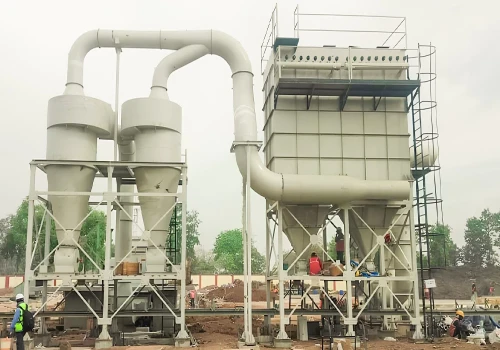
It uses spinning air to separate dust particles from a gas stream. The heavier particles move towards the outer wall and fall into a collection hopper. Cleaner air then leaves through the outlet. This process suits industries such as cement, steel, food processing, woodwork, and chemical production.
What problems can affect a cyclone dust collector in India? Let us understand everything in detail in this useful article penned down by one of the best cyclone dust collector manufacturers.
What Are the Most Common Problems With Cyclone Dust Collectors?
The most common problems include poor dust separation, low airflow, dust leakage, blockages, wear, and high-pressure loss. These issues can affect production and increase cleaning work. Most problems start when the system does not match the dust type, operating conditions, or airflow needs.
Main problems plant operators should watch for:
- Fine dust passes through the outlet.
- Dust escapes from joints or inspection doors.
- Airflow falls below the required level.
- Dust builds up inside the hopper.
- The inner wall wears down due to particle impact.
- The fan uses more power than expected.
- The collector makes unusual noise or vibrates.
- Dust enters connected equipment and affects its operation.
Why Does a Cyclone Dust Collector Fail to Remove Fine Dust?
It may struggle with very fine particles because its separation ability depends on particle size, density, airflow, and cyclone design. Larger, heavier particles are usually easier to separate than tiny, lightweight particles.
Fine dust can leave through the clean air outlet instead of falling into the hopper. This can happen in cement plants, grinding units, mineral processing plants, and other industries that produce fine powder.
Common causes include:
- A cyclone design that does not suit the dust particle size.
- Airflow that falls outside the required operating range.
- Excessive air leakage through the hopper or joints.
- Dust particles that have low density or very small sizes.
- A worn internal surface that changes the intended airflow pattern.
What Causes Low Airflow and High Pressure Loss?
Both can occur when the system has blockages, poor duct design, incorrect fan selection, or an unsuitable cyclone layout. Pressure loss refers to the drop in air pressure as air moves through the equipment.
A cyclone needs enough airflow to create the spinning motion that separates dust. However, too much airflow can increase pressure loss and may carry collected particles back into the outlet stream.
Common causes include:
- Dust collection inside the inlet duct.
- Blocked air passages or connected filters.
- A fan that cannot provide the required airflow.
- Incorrect duct size or sharp bends.
- Excessive resistance across the dust collection system.
- Changes in production that increase dust volume.
Why Do Dust Blockages, Leakage, and Wear Occur?
Dust blockages, air leakage, and internal wear often result from poor sealing, unsuitable material handling, or abrasive particles. These faults can reduce collection efficiency and increase maintenance needs.
A cyclone must allow collected dust to move out of the hopper without letting outside air enter through unwanted openings. Problems can arise when the discharge system does not work correctly.
Operators should inspect the hopper, discharge valve, seals, and internal surfaces at suitable intervals. They should remove dust deposits safely and replace damaged parts when required.
Material choice also matters. Dust that contains hard mineral particles can wear down ordinary steel faster than less abrasive dust. The equipment designer may recommend suitable steel thickness or wear-resistant liners for such conditions.
Moisture can create a different problem. Some powders stick to wet surfaces and form deposits. Plants should check the temperature, moisture level, and dust properties before changing the equipment design.
Common causes include:
- A hopper that fills beyond its safe operating level.
- A blocked rotary airlock or discharge valve.
- Damaged seals around inspection doors.
- Loose flanges or worn duct connections.
- Abrasive dust that wears down the cyclone wall.
- Moisture that causes sticky dust to build up inside the equipment.
How Can Indian Industries Prevent Cyclone Dust Collector Problems?
Indian industries can reduce its problems through correct design, regular inspection, and timely repairs. A planned maintenance routine helps operators find faults before they cause long production delays.
Dust conditions can vary across Indian plants. Cement production may create heavy mineral dust, while woodworking produces lighter particles. Food processing and chemical production may also involve powders with different moisture and handling needs.
Maintenance staff should compare current readings with the system's normal operating values. Sudden changes can point to a blockage, air leak, fan fault, or dust accumulation.
Before buying a cyclone dust collector, check the expected dust load, particle size, temperature, moisture, and required airflow. Ask the supplier to explain the expected collection performance for your process.
Use these practical steps to maintain the system:
- Check airflow and pressure readings at regular intervals.
- Inspect ducts, flanges, seals, and access doors for leaks.
- Empty the hopper before dust reaches its limit.
- Check the rotary airlock and discharge valve for faults.
- Inspect the cyclone wall for signs of wear.
- Check the fan, motor, bearings, and drive system.
- Record repeated faults and repair dates.
- Review the system after changes to production or raw materials.
Final Point of View
Cyclone dust collectors can face problems such as fine dust escape, low airflow, pressure loss, blockages, air leaks, and internal wear. These faults often relate to system design, dust properties, or poor maintenance. Industries should check airflow, seals, hopper discharge, and fan performance at regular intervals. A suitable design and timely repairs of dust extraction system help keep dust collection safe and effective.
FAQS
What is the main problem with cyclone dust collectors?
The main problem is that they may not capture very fine dust. They can also face airflow issues, dust blockages, air leaks, and wear.
Why does a cyclone dust collector release dust from its outlet?
It may release dust when particles are too fine or the airflow is not correct. A poor design can also reduce dust collection.
How can I improve cyclone dust collector performance?
Check the airflow, fan, ducts, seals, and dust outlet. Clean blockages and repair damaged parts. Regular maintenance can help the system work better.
Why does a cyclone dust collector get blocked?
Dust can build up inside the hopper, ducts, or discharge valve. Moisture can also cause some types of dust to stick to the inner walls.
How often should a cyclone dust collector be checked?
Check the cyclone regularly as part of your plant maintenance plan. The inspection schedule depends on dust levels, working hours, and operating conditions.